
Low Quantity/High Quantity Both We Delivery
- Home
- /
- Low Quantity/High Quantity Both We Delivery
All Services
- Get started
- +17788099028
- info@fillmeupfuel.com
- 31313 Livingstone Ave, Abbotsford, BC V2T 4T2, Canada
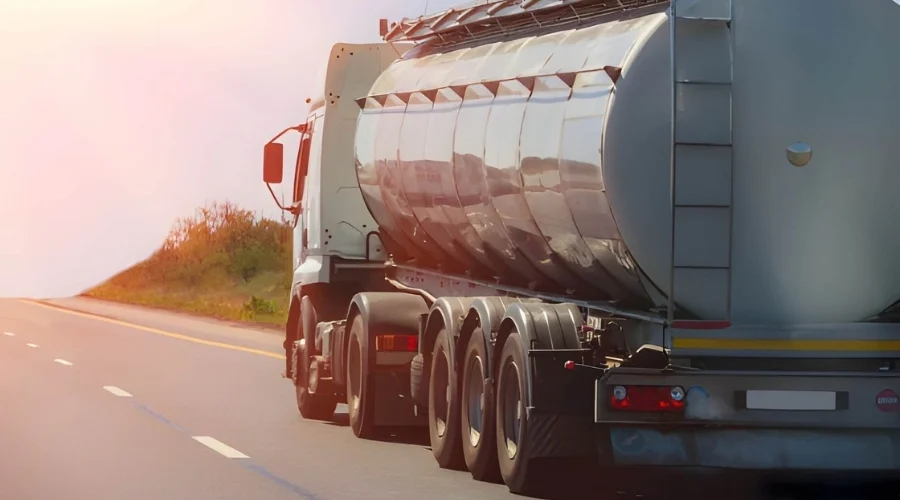
Fuel Any Volume
Fuel needs do not always arrive in convenient sizes. Some situations call for a quick top up, while others require a substantial delivery to support fleets, machinery, tanks, or active operations. Our service handles both ends of that demand, giving you the right quantity without forcing an unsuitable order.
Your order is planned around actual consumption, available storage, delivery access, fuel type, urgency, operating schedule, and the precise amount required to solve the immediate problem or support upcoming work.
Emergency Fuel We Handle
- Small Quantity Refills
- High Volume Deliveries
- Emergency Fuel Top Ups
- Bulk Tank Refilling
- Single Vehicle Fueling
- Multiple Equipment Refueling
- Generator Fuel Supply
- Fleet Volume Delivery
- Farm Fuel Quantities
- Construction Site Supply
- Scheduled Volume Planning
- Changing Order Support
From one stranded vehicle to a site managing several tanks, the delivery quantity is matched to your real requirement, helping you avoid shortages, excess ordering, repeated trips, and rigid minimums.
Pay For What Fits
A small fuel requirement should not force you into arranging a large delivery that exceeds your immediate need. Lower quantity service gives drivers, homeowners, contractors, and equipment operators a practical refill option, helping solve the shortage without creating unnecessary storage, cost, or leftover supply.
Scale Up Supply
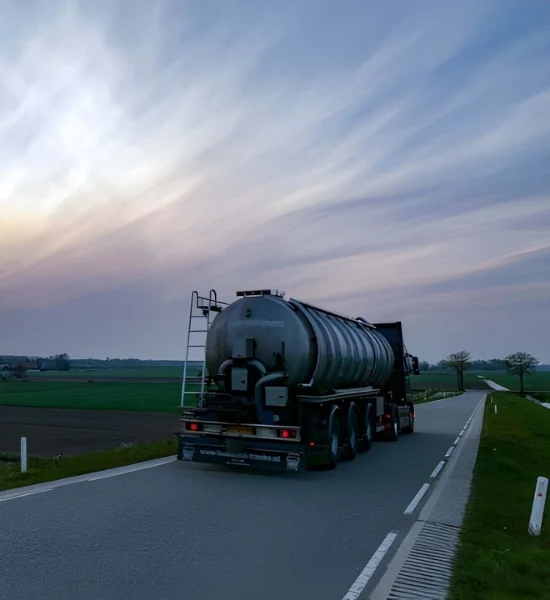
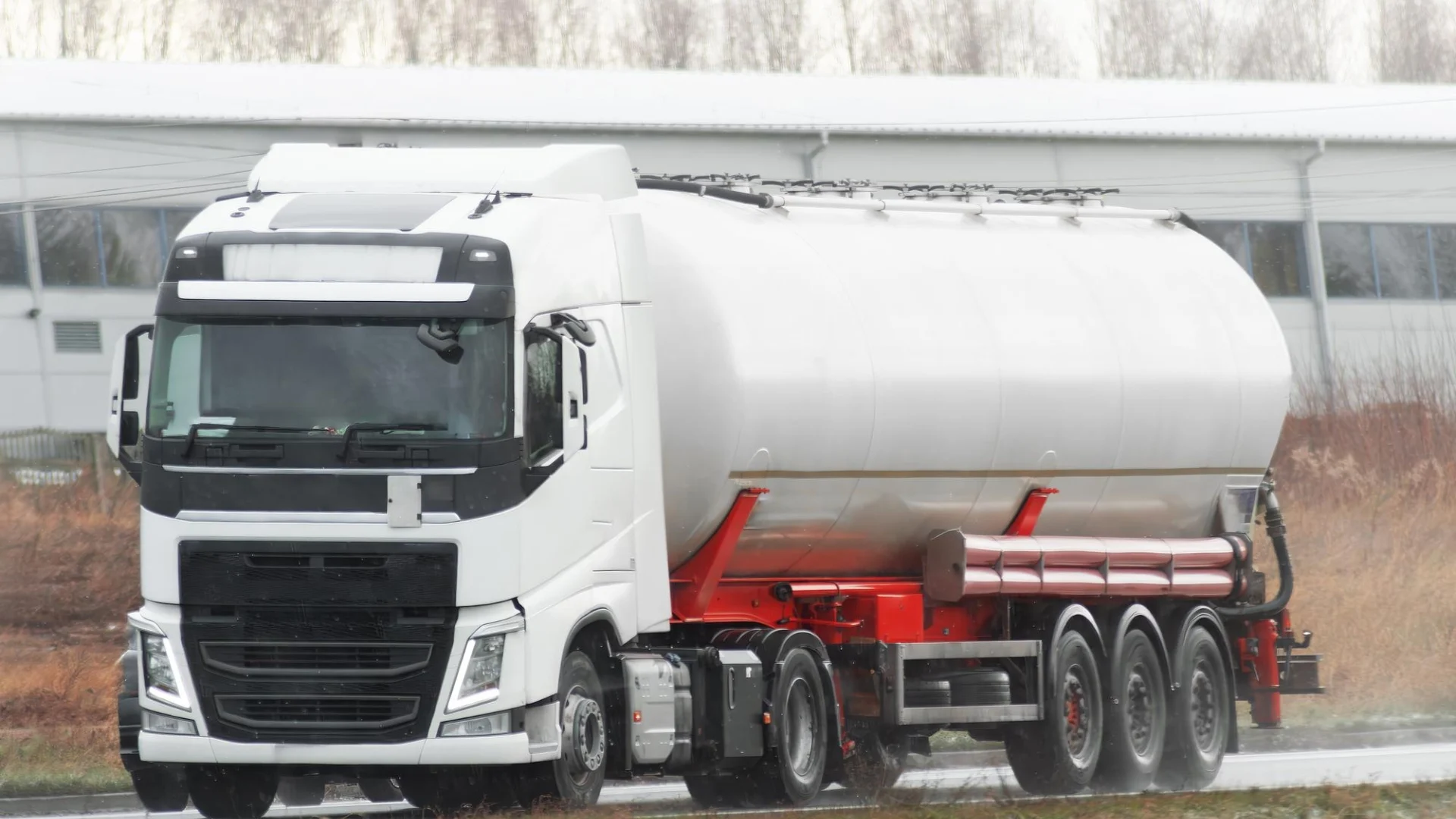
Larger operations need enough fuel to support demanding workloads without placing repeated orders throughout the week. High quantity delivery brings substantial volumes to suitable tanks, yards, fleets, farms, and worksites, giving managers a stronger reserve and reducing the disruption caused by frequent small refills.
Match Tank Capacity
Every receiving tank has a limit, and the delivery volume must fit the space safely available. Capacity, current level, fuel type, and expected consumption are reviewed before service, helping prevent overordering while ensuring the quantity delivered can support the work planned after arrival.
Adjust Changing Demand
Seasonal workloads, new contracts, longer shifts, and unexpected equipment use can change fuel demand quickly. Delivery quantities can rise or fall with those conditions, allowing your supply plan to remain useful instead of locking your operation into an amount that no longer matches reality.
Combine Site Needs
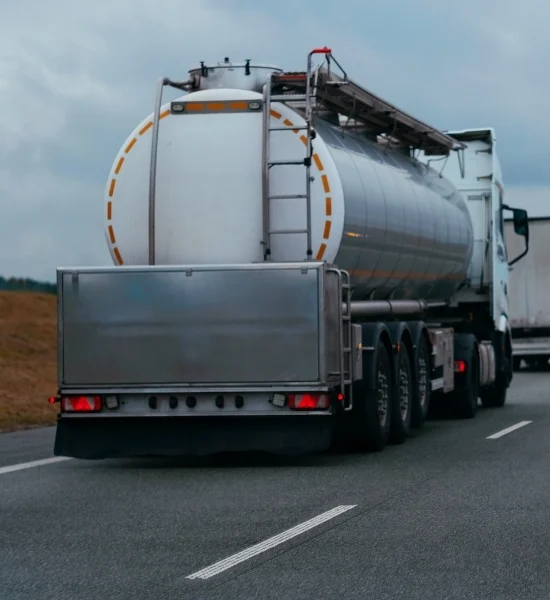
Several vehicles, machines, generators, or tanks may require fuel during the same visit. One coordinated delivery can account for multiple approved receiving points, helping your team distribute the requested volume efficiently and avoid arranging separate orders for every fuel dependent asset on the site.
Solve Urgent Shortages
Running low does not always mean needing a full tank or bulk order. An urgent top up can provide enough fuel to restart a vehicle, continue equipment work, or protect generator runtime, giving you immediate support while a larger or scheduled supply plan is arranged.
FAQ
Yes, lower quantity deliveries can be arranged according to your specific fuel requirement.
Yes, larger deliveries can support suitable tanks, fleets, equipment, farms, yards, and worksites.
Minimum quantities depend on the fuel type, delivery conditions, and current service availability.
Yes, the requested volume may be adjusted before dispatch when capacity and availability allow.
Yes, multiple suitable tanks can be included within one coordinated delivery visit.
Yes, accessible vehicles, equipment, generators, and approved storage tanks can receive fuel.
Available options include gasoline, diesel, off road diesel, and other eligible fuels.
Tank capacity, current level, fuel use, equipment demand, and storage space determine the volume.
Yes, urgent smaller refills depend on location access, fuel type, and current availability.
Yes, recurring deliveries can follow your expected consumption, capacity, and operating schedule.