Locomotive
- Home
- /
- Locomotive
All Services
- Get started
- +17788099028
- info@fillmeupfuel.com
- 31313 Livingstone Ave, Abbotsford, BC V2T 4T2, Canada
Power Rail Operations
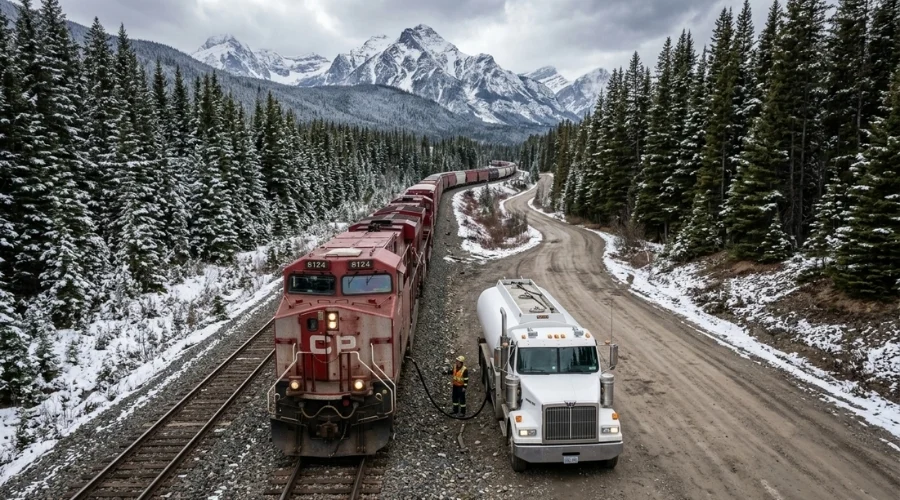
Locomotives cannot afford to sit idle while crews wait for fuel or rail schedules begin slipping. Our delivery service brings diesel directly to accessible locomotives, rail yards, sidings, and approved storage points, helping operators protect departure times, maintain service continuity, reduce unnecessary movement, and support demanding freight or industrial rail operations.
Every delivery is coordinated around locomotive access, required volume, yard activity, fueling windows, safety procedures, crew availability, track conditions, and the timing pressures shaping your rail operation.
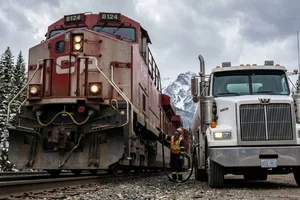
Emergency Fuel We Handle
- Locomotive Diesel Delivery
- Rail Yard Fueling
- Siding Fuel Delivery
- Industrial Rail Refueling
- Switch Engine Fueling
- Freight Locomotive Refills
- Scheduled Rail Deliveries
- Emergency Diesel Response
- High Volume Refueling
- Multiple Locomotive Fueling
- Storage Tank Refilling
- After Hours Fueling
Direct locomotive fueling reduces unnecessary repositioning, protects scheduled movement, and maintains diesel supply where engines are already assigned, staged, or actively supporting rail operations.
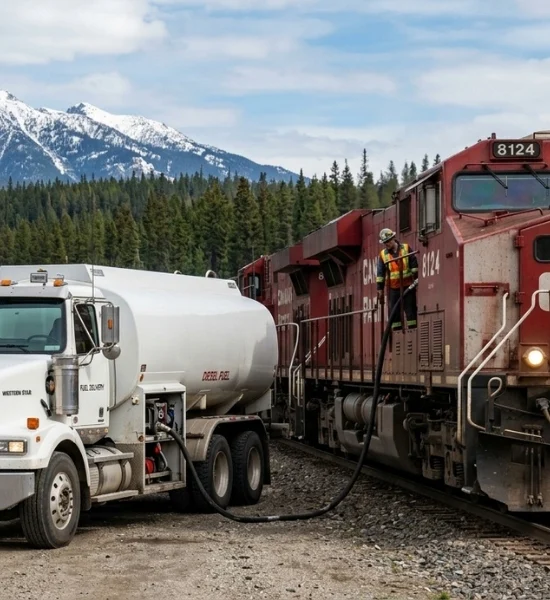
Fuel Locomotives Onsite
Moving a locomotive solely for refueling wastes track time, crew hours, and operational capacity. Delivery at an approved rail location brings diesel closer to the engine, helping your team complete fueling within the available window and return the locomotive to service without adding avoidable movement across the yard.
Protect Rail Schedules
A missed fueling window can delay switching, loading, departures, and downstream connections. Planned delivery helps ensure diesel is available before the locomotive receives its next assignment, giving dispatchers and supervisors a stronger way to protect schedules, coordinate crews, and avoid preventable service interruptions.
Work Around Yard Activity
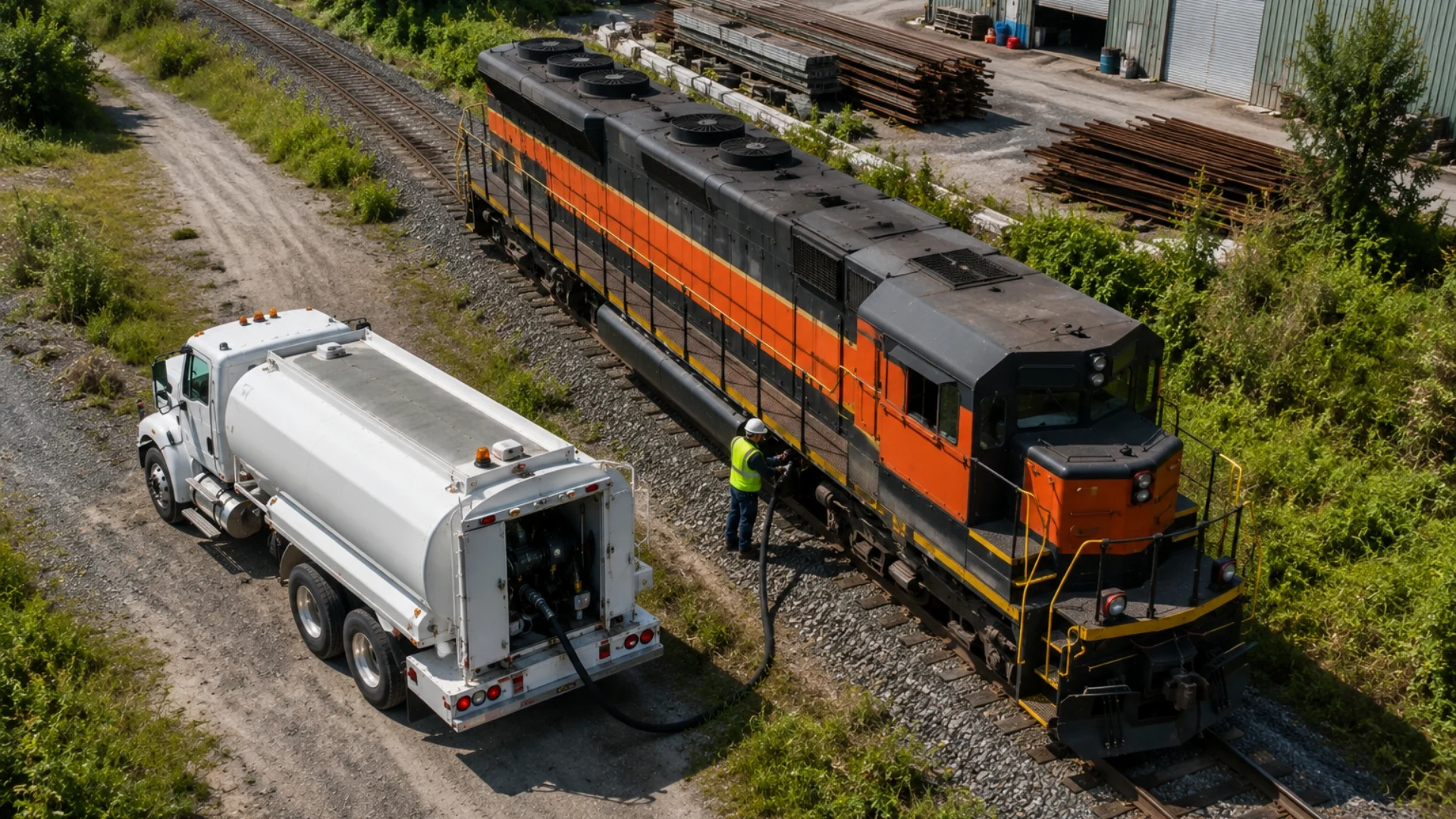
Rail yards remain active with crews, vehicles, rolling stock, and changing track assignments. Fueling is arranged around site instructions, safe access, locomotive position, and current yard activity, helping the service fit into operations without blocking movement, interrupting switching work, or creating confusion for onsite teams.
Support Industrial Rail Fleets
Factories, terminals, ports, and private rail facilities often rely on locomotives for continuous material movement. Direct diesel delivery helps these operations maintain reliable engine availability, reduce offsite fueling needs, and support the switching, hauling, and transfer work that keeps production and logistics running on schedule.
Plan High Volume Refills
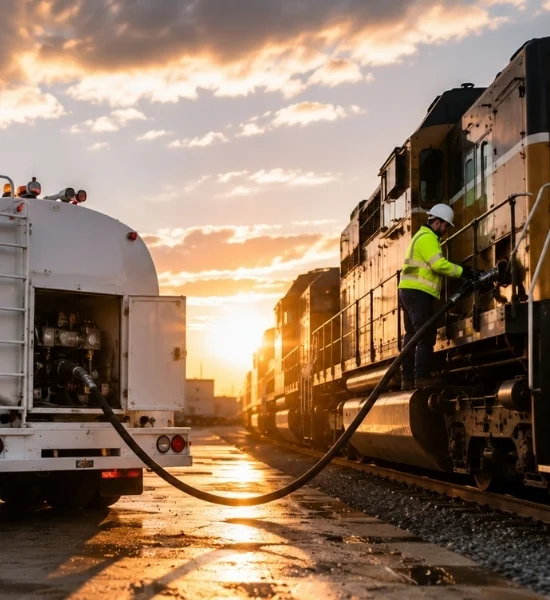
Locomotives can require substantial fuel volumes, especially during long operating cycles or heavy workloads. Delivery quantities are organized around tank capacity, current level, planned runtime, and site limits, helping you secure enough diesel for the work ahead without creating repeated interruptions or unsuitable delivery arrangements.
Respond To Low Fuel
Unexpected consumption, extended idling, added assignments, or delayed returns can leave a locomotive with less fuel than planned. Responsive delivery support helps address the shortage at an accessible rail location, giving your team a faster path to restore readiness and continue scheduled work with fewer operational consequences.
FAQ
Yes, accessible locomotives can be fueled at approved rail yards.
Yes, suitable sidings can receive delivery when safe access is available.
Yes, several locomotives can be included in one coordinated delivery.
Yes, recurring deliveries can follow your operating schedule and fuel usage.
Yes, urgent service depends on access, volume, authorization, and availability.
Yes, suitable accessible diesel storage tanks can be refilled.
Yes, eligible switch engines can receive diesel at approved locations.
A site representative should attend when required by operating procedures.
Provide locomotive count, diesel volume, tank levels, position, and access instructions.
Volume depends on tank capacity, site conditions, and operational requirements.