Fuel Management Services
- Home
- /
- Fuel Management Services
All Services
- Get started
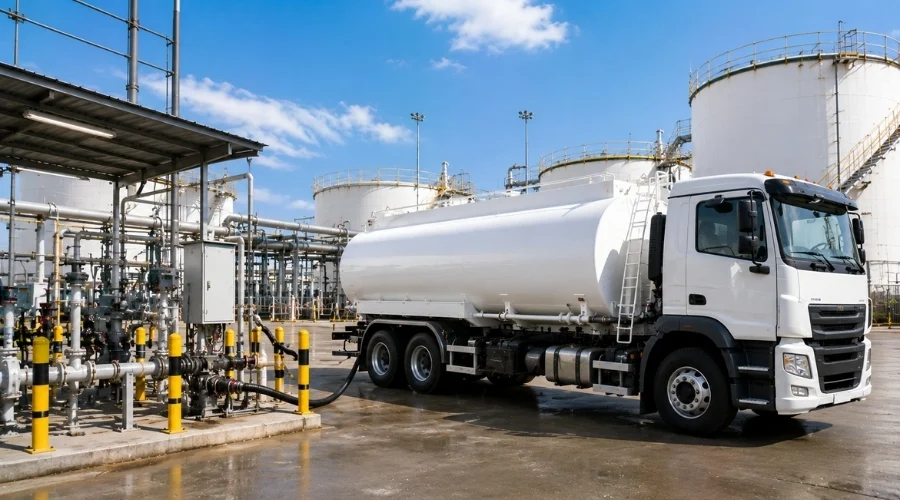
Control Every Fuel Decision
Fuel costs, missed refills, poor tracking, and scattered ordering can drain time and money from your operation. Our fuel management service brings usage, delivery planning, storage needs, and supply decisions into one system, helping reduce waste, prevent shortages, improve accountability, and keep equipment, generators, and work running with fewer interruptions.
A practical management plan gives you clearer oversight of consumption, delivery timing, tank levels, and changing demand, so fuel supports your operation instead of becoming another daily problem.

Emergency Fuel We Handle
- Fuel Usage Tracking
- Delivery Schedule Planning
- Tank Level Monitoring
- Consumption Pattern Review
- Fuel Cost Control
- Emergency Supply Planning
- Fleet Fuel Oversight
- Generator Fuel Planning
- Storage Capacity Review
- Department Usage Coordination
- Refill Timing Support
- Demand Forecast Planning
Better fuel control starts with clear information, practical scheduling, and supply support that matches how your operation actually works, not a rigid plan that ignores daily demand.
Understand Every Fuel Pattern
Fuel usage can change quickly across vehicles, equipment, generators, and work sites. A clear management approach helps you see where fuel is going, identify unusual consumption, and make better ordering decisions before costs rise. Stronger visibility also reduces guesswork and gives managers greater confidence in every refill.
Prevent Supply Gaps
Running out of fuel is usually the result of poor timing, unclear responsibility, or missing information. Our service helps organize delivery schedules around actual usage, tank capacity, and operational priorities, giving your team a more reliable way to maintain supply without relying on rushed calls or emergency orders.


Control Hidden Fuel Costs
Unplanned fuel expenses can grow through repeated small orders, unnecessary trips, overfilled tanks, and inefficient usage. Better management helps you control these hidden costs by aligning delivery quantities with real demand. The result is a cleaner purchasing process, fewer avoidable expenses, and stronger control over your operating budget.
Unite Every Fuel Process
Different departments often order, store, and use fuel without one shared process. A coordinated plan brings those activities together, making responsibilities clearer and reducing confusion between drivers, operators, supervisors, and purchasing staff. Everyone works with better information, helping daily decisions happen faster and with fewer costly mistakes.

Adjust As Demand Changes
Busy seasons, new contracts, longer shifts, and added equipment can all increase fuel demand with little warning. Flexible management allows your supply plan to change with the operation, giving you room to scale deliveries, adjust quantities, and support heavier workloads without losing control of storage or spending.
Strengthen Daily Fuel Readiness
Good fuel management is not only about ordering more efficiently. It is about keeping the entire operation ready to perform. With stronger planning, clearer oversight, and better coordination, your team can protect productivity, reduce downtime, and spend less time solving fuel problems that should have been prevented.
FAQ
They include usage planning, delivery scheduling, tank oversight, cost control, and supply coordination.
Yes, delivery schedules can be arranged around usage, capacity, and operating requirements.
Yes, usage can be reviewed through tank levels, records, equipment activity, and refill history.
Better planning helps reduce waste, rushed orders, unnecessary trips, and inefficient purchasing.
Yes, refill timing can be planned before fuel levels become critically low.
Yes, several tanks can be included within one organized fuel management plan.
Yes, management plans can cover fleets, generators, machinery, tanks, and other eligible equipment.
Yes, delivery quantities and schedules can adjust as your fuel demand changes.
Yes, recurring support can help maintain reliable oversight and consistent fuel availability.
Provide your equipment, tanks, usage levels, fuel types, delivery needs, and operating schedule.